Purposeful Pathways in Action: National, State, and Local Leaders Share Momentum, Results & Lessons
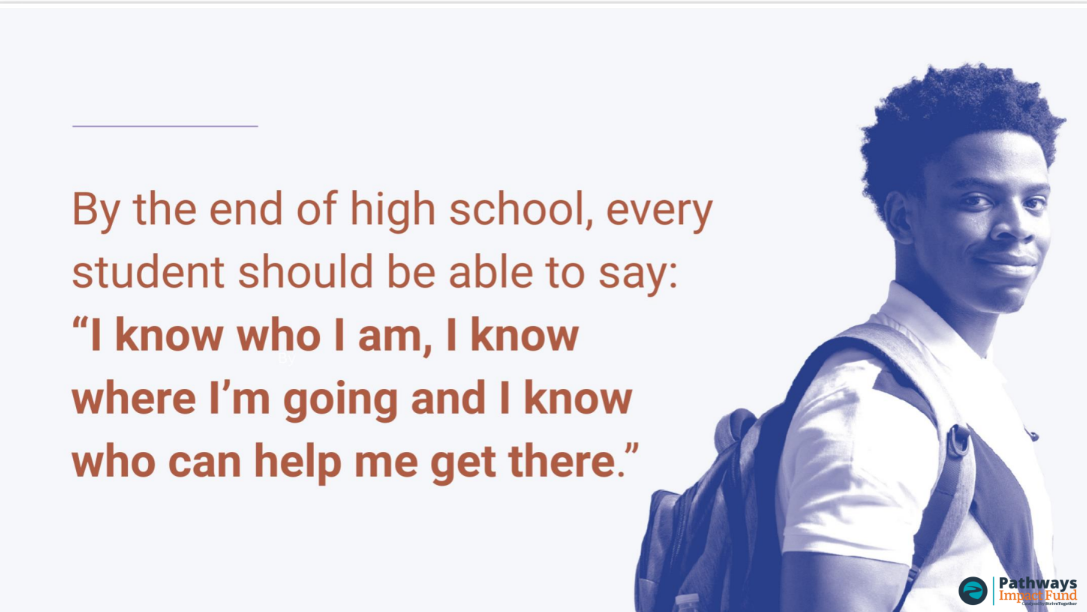
What does it take to ensure every learner graduates with purpose, direction and access to opportunity?
That question was at the heart of our recent Professional Learning Series session, Pathways and Career Navigation: Insights from the Purposeful Pathways Commission, where local, state, and national education leaders shared a powerful message: this work is gaining traction — and it’s delivering results.
District leaders described growing learner engagement and meaningful outcomes emerging from career-connected pathways, including rising graduation rates and improved academic performance. The message was clear: When learners connect their education to purpose and future opportunity, motivation grows.
District Leaders Share Insights on Connecting Education to Purpose
Cañon City High School has created a culture where every adult is an “Opportunity Guide,” helping ensure career navigation is not the responsibility of their four counselors alone, but part of how the whole system supports students. That mindset reflects a larger culture shift presenters echoed throughout the session: this is not additional work — this is the work.
That spirit of shared responsibility was evident across districts. Denver Public Schools announced a growing partnership with the City of Denver to leverage employer relationships to scale work-based learning opportunities to all Denver students. Adams 12 Five Star Schools highlighted systemwide investments in pathways, transition supports and exploratory experiences in elementary, middle and high school.
Critical Role for Intermediaries
John Garcia, III, emphasized the important role intermediaries play in making this work possible — particularly in employer engagement. With educators pulled in many directions and employers struggling to understand “eduspeak”, intermediaries add capacity, translate across sectors, and help build the trust and shared accountability needed to sustain partnerships.
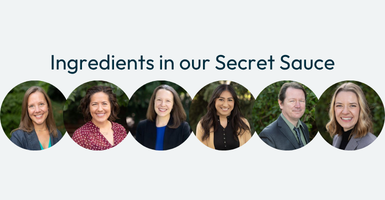
Thank you to all our presenters for sharing their insights:
- John Garcia III, Ed.L.D. — Co-chair, Commission on Purposeful Pathways
- Amber Elias — Colorado Education Initiative (on behalf of the Homegrown Talent Initiative)
- Michelle Camacho Liu — The Attainment Network
- Samantha Haviland — Denver Public Schools
- Bill Summers — Cañon City High School
- Beau Foubert — Adams 12 Five Star Schools
Watch a recording of the entire webinar here
Check out resources shared during the presentation:
- Commission on Purposeful Pathways Report: A Launchpad for Life - A Vision for Purposeful Pathways for all Students
- Pathways to College and Career: Advancing Colorado’s Homegrown Talent Coalition to Lead and Sustain Complex Change
- CCHS Pathways Handbook
Up Next: Our Learner Voice Symposium
Don’t miss our next session: L/Earners Leading: Centering Learner Voice in Career-Connected Learning on Monday, May 18 from noon to 1:30 p.m.
Learn more.
RECENT ARTICLES