Purpose, Belonging, and Social Capital in Career Navigation
Key Takeaways from The Attainment Network’s Professional Learning Series
Educators, workforce leaders, and partners joined The Attainment Network’s Professional Learning Series session on March 30 to explore a timely question: how do we design career advising systems that help learners build a sense of purpose and belonging as well as the social capital needed for long-term success?
One thing is clear — this work is critical, and our understanding of how to do it is growing.
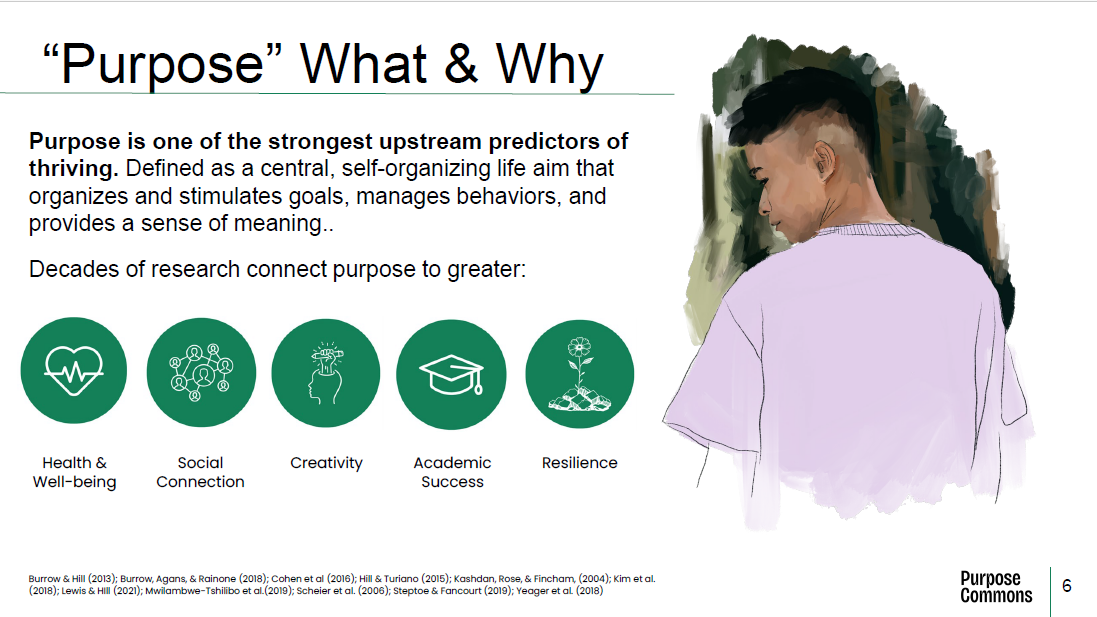
Purpose is one of the strongest upstream predictors of thriving, according to TeRay Esquibel, Executive Director of Purpose Commons. It shapes goals, influences behavior, and drives health, well-being, academic success, and resilience.
Adolescence is a critical window for purpose development, as young people form their identities, explore values, and build relationships. Yet, as TeRay emphasized, purpose is not something young people simply “have” or “find.” It is cultivated over time through a set of intentional conditions:
- Emotional safety
- Opportunities for exploration
- Connection to identity and lived experience
- Action-oriented experiences (learning by doing)
Ednium Research and Action
Richard Maez, Executive Director of
Ednium: The Alumni Collective, grounded the conversation in the experiences of young Denver Public Schools alumni. Their research shows that while young alumni often feel confident in their identity and their sense of purpose, they are less confident in translating that purpose into action. In response, Ednium is integrating agency into programming:
- One-on-one coaching to explore motivations, skills, and goals
- Small group cohorts that build community and support
- Skill-building workshops to practice durable skills and expand networks
Cultivating Purpose at Fort Lewis College
Janae Hunderman, Director of Career & Workforce at Fort Lewis College, shared how these ideas are being implemented in a diverse, student-centered institution.
The college has embedded purpose into a campus-wide career development curriculum. Tools like “Challenge Cards” encourage students to think less about job titles and more about the problems they want to solve in the world. Fort Lewis is also shifting to a career ecosystem model — engaging faculty and staff across campus as partners in career conversations.
One message was consistent: purpose is not a one-time discovery — it is something we revisit and rebuild throughout our lives.
Session Materials
Additional Resources Shared
- Purpose Commons 2025 Design Research Report
- Purpose Isn’t Obtained. It’s Maintained.
- Career Ecosystem Era Book
- SparkPath Challenge Cards
Explore upcoming sessions in The Attainment Network’s Professional Learning Series and continue building your capacity to strengthen education-to-career systems. Learn More.
And join The Attainment Network, Peak Education, CEEMI, and Business Education Alliance for the 2026 Career-Connected L/Earning Conference Oct. 29-30 in Colorado Springs. Learn more.
RECENT ARTICLES